Sag Harbor used to resist becoming a brand.
And then the wellness people arrived.
But Sag, compared to Southampton or East Hampton, still carried traces of something more maritime, more accidental. You could still walk into places where no one cared who you were. Places that smelled faintly of coffee, sunscreen, wet dogs, and overcooked bacon.
And then the wellness people arrived.
Not yoga people — Sag has always had yoga people. These are different people. Supplement people. Infrared sauna people. Adaptogen people. The kind of people who say “clean ingredients” with religious conviction and somehow know the glycemic index of a banana.
Which brings us to SunLife Organics.
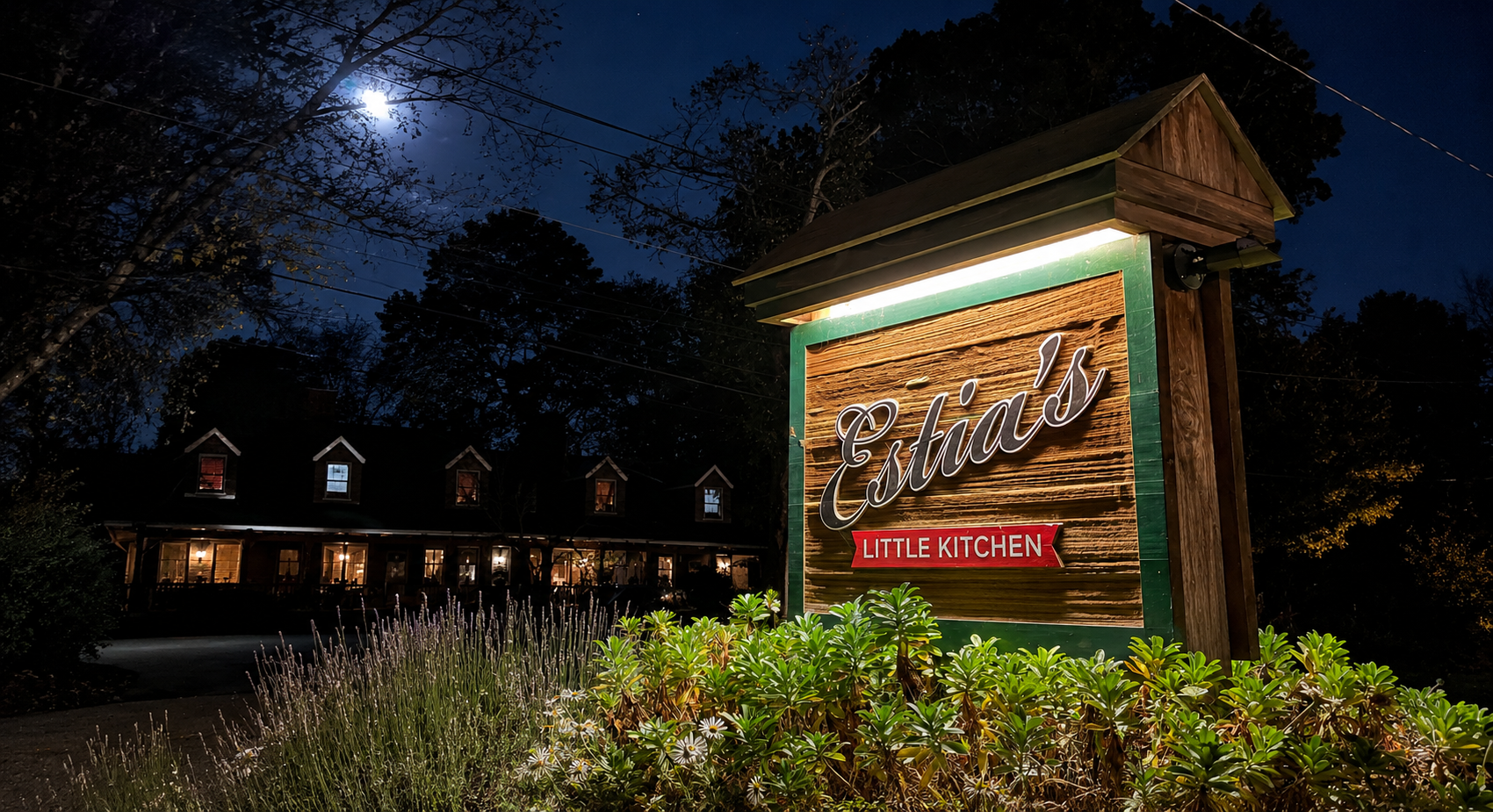
The Malibu-based wellness chain, famous for its celebrity devotees and smoothies priced somewhere between lunch and a utility bill, is taking over the former Estia’s Little Kitchen space — a move that has triggered the sort of existential local outrage usually reserved for zoning battles and paddle-board accidents.
Because Estia’s wasn’t just a restaurant. It was one of the last places in the Hamptons that felt immune to curation.
You went there hungover. You went there after school drop-off. You went there with sandy feet and no makeup and zero interest in being perceived. The pancakes were good. The wait was annoying. The vibe was gloriously indifferent. It belonged to the old Hamptons — the one before every corner became optimized for Instagram Stories and collagen branding.
SunLife represents the opposite.
Its aesthetic is familiar now: pale woods, tonal neutrals, spiritually expensive smoothies, employees who somehow look genetically moisturized. There will likely be mushroom powders, chlorophyll add-ons, marine collagen upgrades, and at least one beverage whose ingredients sound less like nutrition and more like an ayahuasca retreat itinerary.
And yet — this is the uncomfortable part — it will probably do phenomenally well.
Because the Hamptons itself is changing.
Over the last few years, Sag Harbor has quietly transformed from a slightly quirky seaside village into something far more polished and globally recognizable. Rag & Bone arrived. Madewell arrived. Steve Madden arrived. Rumors of Nobu continue to swirl through real estate dinners and Pilates classes. Manhattan no longer visits the Hamptons. Manhattan has begun replicating itself there.
The result is a strange new coastal ecosystem where old fishing-town nostalgia collides with high-functioning luxury consumerism.
You see it everywhere now:
the women leaving reformer Pilates carrying $38 smoothies,
the biotech founders working remotely from teak-decked cafés,
the fashion editors pretending they “escaped the city” while standing in line behind three influencers livestreaming their matcha order.
No one admits they want the Hamptons to become Aspen-by-the-sea.
But increasingly, that’s exactly what it’s becoming.
And maybe SunLife understands that better than anyone.
Because they’re not really selling smoothies. They’re selling participation in a certain version of modern affluence — one rooted less in old money than in optimization. Wellness as identity. Health as luxury. Self-care as social signaling.
In another era, a place like SunLife would’ve felt absurd in Sag Harbor.
Now it feels almost inevitable.
Which may be the most Hamptons story of all.